

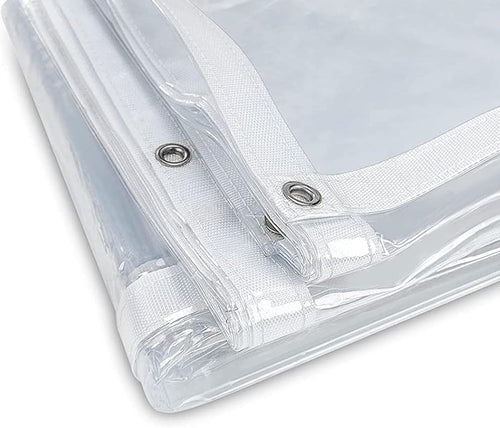
Protect Your Stock While Maintaining Perfect Visibility
For market traders, outdoor vendors, and businesses operating in exposed conditions, finding the right balance between weather protection and product visibility is crucial. Traditional tarpaulins offer excellent protection but hide your merchandise from customers. Standard clear plastic sheeting provides visibility but tears easily and degrades quickly. Enter the glass clear tarpaulin – a professional-grade solution that delivers the transparency of glass with the durability of heavy-duty PVC.
In this comprehensive guide, we'll explore everything you need to know about glass clear tarpaulins, from material specifications to real-world applications, helping you make an informed decision for your business.
What Is a Glass Clear Tarpaulin?
A glass clear tarpaulin is a heavy-duty, transparent PVC cover engineered to provide crystal-clear visibility while offering complete weather protection. Unlike lightweight clear plastic sheeting, quality glass clear tarps are manufactured from thick, UV-resistant PVC (typically 310gsm or higher) with reinforced edges and rust-proof eyelets for secure installation.
Key Material Specifications
Weight and Thickness: Professional-grade clear tarpaulins typically weigh 310gsm (grams per square metre), providing substantial durability without excessive weight. This thickness strikes the optimal balance between strength and flexibility.
UV Resistance: Advanced UV stabilizers are integrated into the PVC material during manufacturing. This critical feature prevents the yellowing, clouding, and brittleness that plague cheaper clear covers, ensuring your tarpaulin maintains its clarity for years rather than months.
Waterproof Construction: True glass clear tarpaulins feature welded seams rather than stitched edges, creating a 100% waterproof barrier that protects stock from rain, moisture, and condensation.
Reinforced Eyelets: Rust-proof metal eyelets positioned every 50cm around the perimeter provide multiple secure fixing points, allowing for tight, wind-resistant installation.
Glass Clear Tarpaulin vs Traditional Covers: A Comparison
Understanding how clear tarpaulins compare to alternative covering solutions helps clarify their unique value proposition.
Clear Tarpaulin vs Standard Tarpaulin
Visibility: Standard tarpaulins completely obscure products, while clear tarps maintain full visibility – essential for retail applications where customers need to see merchandise.
Customer Engagement: Market stalls using clear covers report higher customer engagement since shoppers can browse products even during rain, rather than waiting for covers to be removed.
Durability: Both offer excellent weather resistance, but clear tarpaulins require UV stabilization to maintain performance, which quality products include as standard.
Clear Tarpaulin vs Plastic Sheeting
Longevity: Standard clear plastic sheeting typically lasts weeks or months before tearing or clouding. A quality 310gsm clear tarpaulin can perform reliably for multiple seasons.
Wind Resistance: Lightweight sheeting tears easily in wind, while reinforced clear tarpaulins with proper eyelet spacing withstand challenging weather conditions.
Professional Appearance: Heavy-duty clear tarps maintain a taut, professional appearance, whereas plastic sheeting often looks temporary and flimsy.
Clear Tarpaulin vs Glass or Polycarbonate
Safety: Unlike glass, clear tarpaulins won't shatter if impacted, eliminating safety hazards in busy market environments.
Flexibility: Rigid materials require custom framing, while clear tarps adapt to various structures and can be rolled up when not needed.
Cost: Clear tarpaulins deliver similar visibility at a fraction of the cost of glass or polycarbonate installations.
Ideal Applications for Glass Clear Tarpaulins
Market Stalls and Outdoor Retail
This is the primary application where clear tarpaulins excel. Market traders can protect stock from rain and wind while maintaining the visual appeal that drives sales. Customers can browse products comfortably under cover, and traders don't lose sales during weather events.
Best practices: Install clear tarps on the customer-facing sides of your stall while using standard tarpaulins on rear and side panels for cost efficiency. Ensure proper tensioning to prevent water pooling.
Garden Centres and Plant Nurseries
Plant retailers need to protect delicate stock from harsh weather while ensuring adequate light transmission for plant health. Clear tarpaulins allow sunlight through while blocking wind and excessive rain that can damage young plants or wash away soil.
Best practices: Use clear tarps for temporary protection during storms or cold snaps. Ensure adequate ventilation to prevent excessive heat buildup on sunny days.
Construction Site Enclosures
Construction projects often require weather protection that doesn't block natural light or obscure work areas. Clear tarpaulins create protected workspaces while maintaining visibility for safety and supervision.
Best practices: Secure clear tarps to scaffolding or temporary frames using the reinforced eyelets. Regular inspection ensures wind damage doesn't compromise the enclosure.
Greenhouse Repairs and Temporary Covers
When greenhouse panels crack or break, clear tarpaulins provide an immediate, cost-effective repair solution that maintains light transmission until permanent repairs can be completed.
Best practices: Overlap the tarpaulin beyond the damaged area and secure firmly to prevent wind getting underneath. This is a temporary solution – plan for permanent repairs.
Event Protection and Outdoor Exhibitions
Outdoor events, car boot sales, and exhibitions benefit from clear weather protection that doesn't create a closed-off atmosphere. Attendees can see displays from outside covered areas, encouraging engagement.
Best practices: Combine clear roof panels with solid side walls for optimal weather protection and visibility.
Agricultural Equipment Covers
Farmers and agricultural businesses use clear tarpaulins to protect equipment and supplies while maintaining the ability to quickly identify stored items without removing covers.
Best practices: Ensure adequate ventilation to prevent condensation buildup, which can lead to rust on metal equipment.
How to Choose the Right Size Clear Tarpaulin
Selecting the correct size is crucial for effective coverage and professional appearance.
Measuring Your Coverage Area
For flat covers: Measure the length and width of the area requiring protection, then add 30-50cm to each dimension to ensure adequate overlap and secure fixing.
For angled or pitched covers: Measure the actual surface distance (not the ground footprint), accounting for the slope. Add extra length for securing at ground level.
For market stalls: Measure from fixing point to fixing point, including any overhang needed to protect stock from wind-driven rain.
Common Sizes and Applications
- 2m x 2m: Small market stall fronts, equipment covers, temporary repairs
- 2m x 3m: Standard market stall front panel, small greenhouse sections
- 2.4m x 3m: Larger market stalls, display areas
- 3m x 4m: Full market stall coverage, construction enclosures
- 4m x 5m and larger: Multiple stall coverage, large construction areas, agricultural applications
Custom Sizing Considerations
While standard sizes suit most applications, some situations require custom dimensions. When ordering custom sizes, consider fixing point locations and ensure your chosen size accommodates the 50cm eyelet spacing standard.
Installation and Fixing Methods
Preparation
Before installation, identify all fixing points and ensure they're structurally sound. Clear tarpaulins can catch wind like sails, so secure fixing is essential.
Fixing Options
Bungee cords: Ideal for temporary installations requiring frequent removal. Provide good tension and accommodate slight movement.
Rope and ties: Traditional method offering maximum security for permanent or semi-permanent installations. Use weatherproof rope to prevent degradation.
Ball ties: Quick-release fasteners perfect for market traders who set up and pack down daily.
Clips and clamps: Useful for attaching to frames or poles without drilling. Ensure clips are rated for outdoor use.
Tensioning Tips
Proper tension prevents water pooling and wind damage. Start by securing corners, then work along edges, maintaining even tension. The tarpaulin should be taut but not overstretched, which can stress eyelets and seams.
For horizontal installations, create a slight pitch to encourage water runoff rather than pooling, which adds weight and stress.
Maintenance and Care for Maximum Lifespan
Regular Cleaning
Clear tarpaulins require periodic cleaning to maintain transparency. Use warm water with mild detergent and a soft brush or cloth. Avoid abrasive cleaners or rough materials that can scratch the PVC surface.
Clean both sides – dirt accumulation reduces clarity and can degrade UV protection over time.
Inspection Routine
Monthly inspections help identify issues before they become failures:
- Check eyelets for rust or tearing
- Inspect seams for separation or weakness
- Look for scratches, punctures, or clouding
- Verify fixing points remain secure
- Ensure no water is pooling on horizontal sections
Storage Best Practices
When not in use, clean and dry your clear tarpaulin completely before storage. Fold (don't crumple) and store in a cool, dry location away from direct sunlight. Avoid storing in contact with sharp objects or chemicals.
Repair Options
Small punctures can be repaired using clear PVC repair tape or patches designed for tarpaulin repair. For larger damage or eyelet failures, professional repair or replacement may be more cost-effective than temporary fixes.
Understanding UV Resistance and Longevity
Why UV Resistance Matters
Ultraviolet radiation from sunlight is the primary enemy of clear PVC. Without UV stabilizers, clear tarpaulins yellow, become brittle, and lose strength within months of outdoor exposure.
Quality glass clear tarpaulins incorporate UV inhibitors during manufacturing, not as a surface coating. This ensures protection throughout the material's thickness, providing years of reliable performance.
Expected Lifespan
With proper care and quality UV protection, a 310gsm glass clear tarpaulin typically performs well for 3-5 years in regular outdoor use. Factors affecting lifespan include:
- Intensity and duration of UV exposure
- Frequency of setup and takedown (wear on eyelets and edges)
- Wind exposure and stress levels
- Maintenance and cleaning frequency
- Storage conditions when not in use
Signs of UV Degradation
Monitor for yellowing or clouding, increased brittleness (especially in cold weather), and reduced flexibility. These indicate UV degradation and suggest replacement should be planned.
Cost Considerations and Value Assessment
Initial Investment
Quality glass clear tarpaulins represent a higher initial investment than standard plastic sheeting but significantly less than glass or polycarbonate alternatives. Prices vary based on size and specification, with professional-grade 310gsm material commanding premium pricing.
Cost Per Use Analysis
For market traders operating weekly, a clear tarpaulin costing £100 and lasting three years represents approximately 65p per market day – negligible compared to potential lost sales from hidden merchandise or weather-related closures.
Return on Investment
Businesses report that clear tarpaulins pay for themselves quickly through:
- Continued sales during poor weather
- Reduced stock damage from rain and wind
- Professional appearance attracting more customers
- Elimination of repeated purchases of cheap alternatives
Frequently Asked Questions
How long does a glass clear tarpaulin last?
With quality UV protection and proper care, expect 3-5 years of reliable outdoor use. Lifespan depends on UV exposure intensity, maintenance, and stress from wind and handling.
Are clear tarpaulins completely waterproof?
Yes, quality clear tarpaulins with welded seams provide 100% waterproof protection. Ensure proper installation with adequate pitch for water runoff to prevent pooling.
Will my clear tarpaulin turn yellow?
Quality tarpaulins with integrated UV stabilizers resist yellowing for years. Cheap alternatives without UV protection will yellow within months. Always verify UV resistance before purchasing.
Can I use a clear tarpaulin as a permanent greenhouse cover?
Clear tarpaulins work well for temporary greenhouse repairs but aren't designed as permanent greenhouse glazing. They lack the rigid structure and optimized light transmission of purpose-built greenhouse materials.
How do I prevent water pooling on my clear tarp?
Install with a pitch or slope to encourage water runoff. Even a slight angle prevents pooling. For horizontal applications, create a peak or ridge to direct water to edges.
What's the difference between 310gsm and lighter clear tarps?
310gsm indicates professional-grade thickness providing superior durability, tear resistance, and longevity. Lighter materials (200gsm or less) are more prone to tearing, punctures, and UV degradation.
Can I cut a clear tarpaulin to size?
While possible, cutting removes the reinforced edges and sealed seams that provide strength and waterproofing. Custom sizing from the manufacturer is always preferable to field cutting.
How do I clean my clear tarpaulin without scratching it?
Use warm water with mild detergent and a soft cloth or sponge. Avoid abrasive cleaners, brushes with stiff bristles, or rough materials. Rinse thoroughly and allow to air dry.
Making the Right Choice for Your Business
Glass clear tarpaulins represent a professional solution for businesses requiring weather protection without sacrificing visibility. Whether you're a market trader looking to maintain sales during rain, a garden centre protecting delicate stock, or a contractor creating weatherproof workspaces, the right clear tarpaulin delivers years of reliable performance.
When selecting your clear tarpaulin, prioritize these key factors:
- Material weight: 310gsm minimum for professional applications
- UV resistance: Integrated stabilizers, not surface coatings
- Construction quality: Welded seams and reinforced eyelets
- Appropriate sizing: Measure carefully and allow for overlap
- Reputable supplier: Quality materials and reliable customer service
At Tarpaulins UK, we supply professional-grade glass clear tarpaulins engineered for demanding commercial applications. Our 310gsm UV-resistant clear tarpaulins combine crystal clarity with heavy-duty construction, backed by our commitment to quality and customer service.
Ready to protect your stock while maintaining perfect visibility? Explore our range of glass clear tarpaulins available in sizes from 2m x 2m to 4m x 5m, all featuring reinforced construction and professional-grade UV protection.